The Growing Presence of Multilingual Communities
Across the United States, communities are becoming increasingly diverse. According to the U.S. Census Bureau, over 67 million people speak a language other than English at home. This means that multilingual communities are continuously growing, which is also being reflected in churches.
Exploring what churches can learn from multilingual communities starts with recognizing the strengths of these communities.
1. Communication Is About More Than Words
Multilingual communities understand something many overlook: communication isn’t just about language, it’s about connection. Connections rely on visual cues, body language, and tone.
Churches can learn to communicate more intentionally by focusing not just on what is said, but how it’s experienced. Warm, clear, and thoughtful communication will create a more welcoming environment for everyone.
2. Inclusion Requires Intentional Effort
In multilingual environments, inclusion doesn’t happen by accident or overnight; it’s built with intentionality and thoughtfulness.
This can look like:
- Slowing down communication
- Repeating important points
- Offering multiple methods to access and understand content
3. Community Is Built Through Patience and Grace
Multilingual communities often operate with considerable patience. Conversations may take longer, misunderstandings may happen, and clarity may require more effort. Churches can benefit from this mindset by giving folks more time to process the message and creating a safe and comfortable space to ask questions.
4. Diversity Strengthens, Not Divides
One of the most important lessons churches can learn from multilingual communities is that diversity doesn’t weaken community, but rather strengthens it. Multilingual communities bring different cultural perspectives and different life experiences. Diversity broadens conversations, deepens faith, and creates a more vibrant church environment.
5. Accessibility Creates Belonging
Multilingual communities highlight to churches the importance of accessibility. When people can fully understand and engage, they are more likely to:
- Participate in services
- Build relationships
- Strengthen their faith
Final Thoughts
The lessons from multilingual communities are clear: communication, inclusion, patience, and accessibility all play a role in building a stronger church.
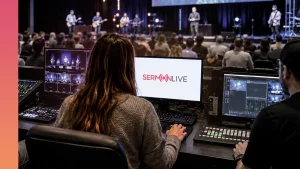
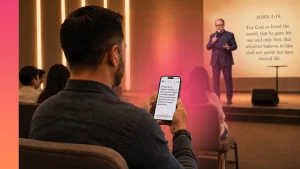
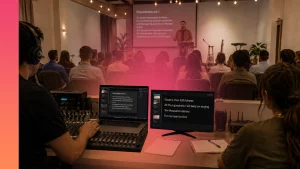
Tools like Sermon Live help churches put these lessons into practice by offering real-time sermon translation, making it easier for multilingual members to fully engage and understand the message.